
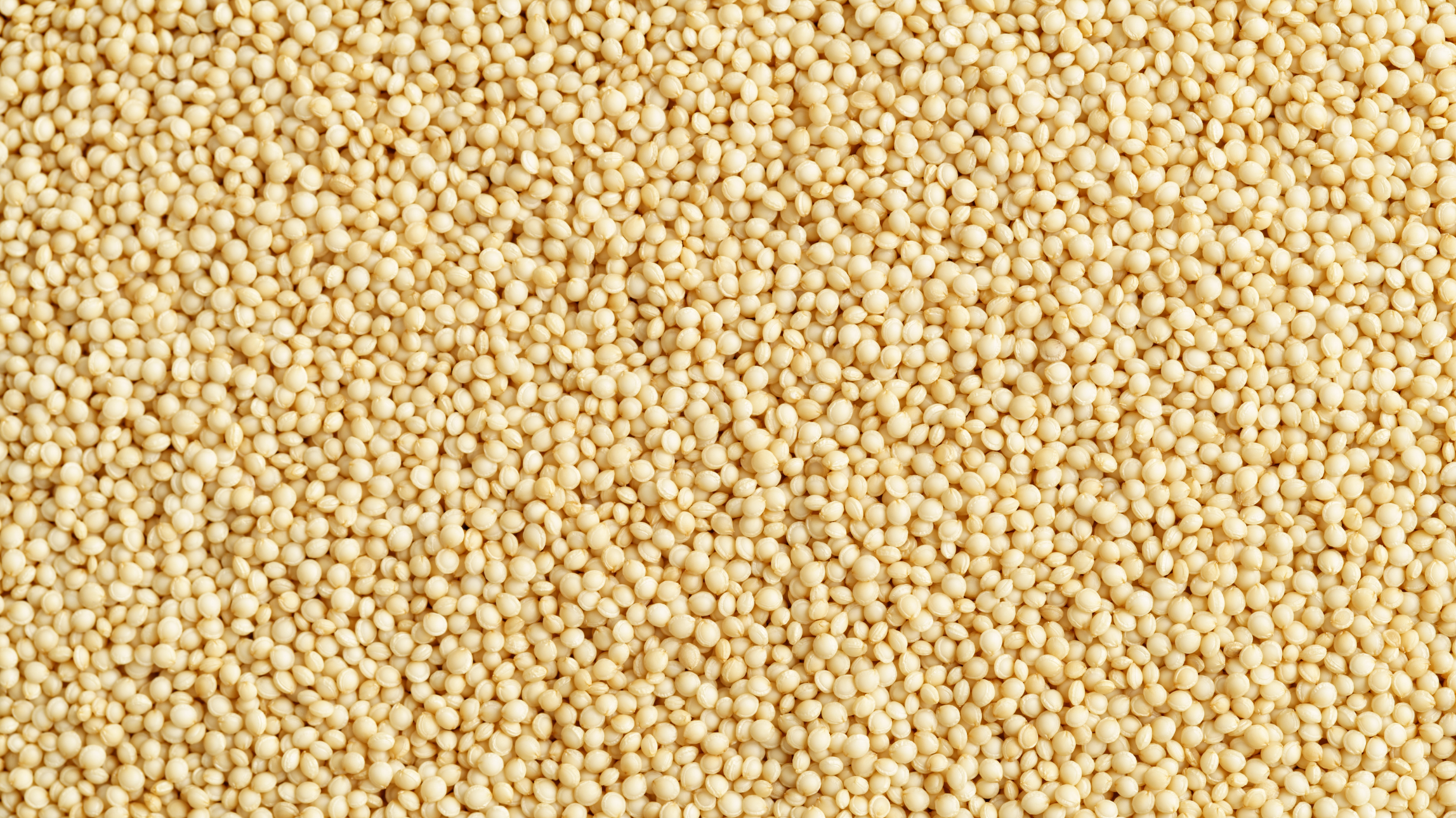
About Amaranth
For thousands of years, amaranth has been revered as one of the world's most remarkable plants. In mythology, amaranth flowers symbolize immortality, and amaranth gets its name from the Greek word amarantos, which means “unfading.”
As a food crop, amaranth helped to sustain entire civilizations long before the arrival of modern agriculture. Today, amaranth remains surprisingly uncommon despite its many virtues. It is able to thrive in difficult conditions with modest inputs, and its deep roots help improve soil structure.
The tiny seeds of amaranth contain an rich oil that is unusually rich in beneficial lipids, antioxidants, and phytosterols, all of which are extremely beneficial for the skin.
Amaranth oil is also the most abundant plant-based source of squalene, which is a remarkable compound that is also produced by our own skin, though in diminishing quantities as we age.
Despite the richness of the oil, amaranth seeds contain very little of it. Two pounds of amaranth seeds—which is literally millions of seeds—are required to produce 20 mL of highly enriched oil.
Not all amaranth, however, is created equal.
After evaluating sources from around the world, we chose a single source distinguished by its exceptional purity and naturally high squalene content. It is cultivated on a small scale using regenerative farming practices by a community of mostly women farmers. The result is an oil of uncommon richness.